
Tariffs come full circle: How Trump’s Section 301 tariffs restore duties struck down by US top court

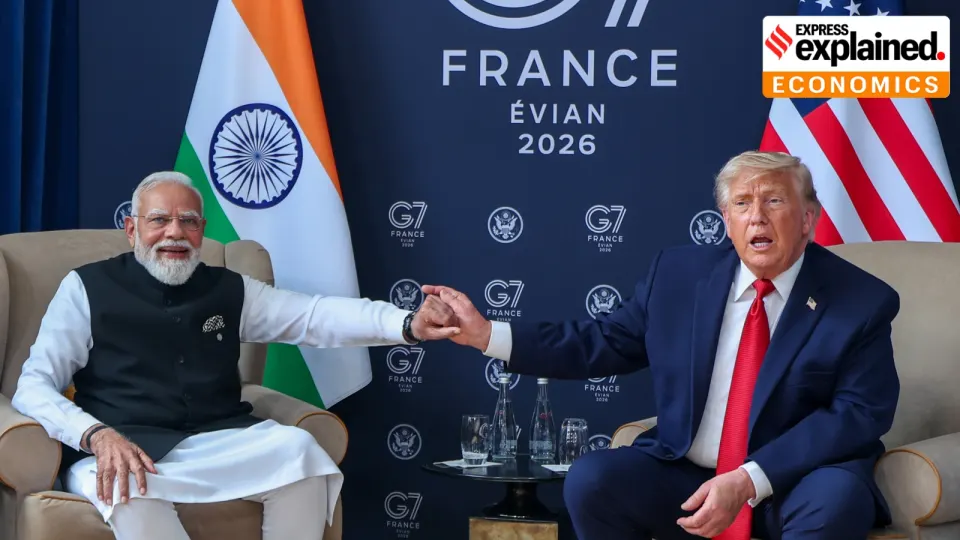
The legal justification for slapping trade tariffs may have changed, but American protectionism is clearly showing no sign of winding down. On April 2, 2025, US President Donald Trump delivered his Rose Garden “Liberation Day” tariff announcement that led to sweeping “reciprocal tariffs” on global trading partners. Then, on November 25, 2026, Trump’s administration indicated it would restart these global trade wars with fresh tariffs on 14 countries under a separate legal head. In these 20 intervening months, Washington’s trade stance has ostensibly come full circle. Initiated by the Office of the United States Trade Representative (USTR) on March 11, 2026 as action against 16 economies, the proposed duties target 14 trading partners while keeping Mexico and Norway out of this action for now. As part of these new levies, the US has proposed a final tariff rate of 25% on India after concluding two investigations on the import of goods produced through alleged “forced labour” and “industrial overcapacity”. Both investigations were conducted under Section 301 of the US Trade Act of 1974. The proposed tariff rate would drop to 17% if India and the US sign a formal trade deal. On the face of it, the proposed tariff rate on India is slightly better than its competitors Bangladesh, Cambodia, Indonesia, Malaysia, and Thailand, according to a notice put out by the office of the United States Trade Representative Wednesday. Tariffs on India So, in the 20 months since the Liberation…









Comments 0
No comments yet. Be the first to share your view in the app.
Join the discussion: comments and votes are in the free Beloud app.