
Air pollution is not just a winter problem

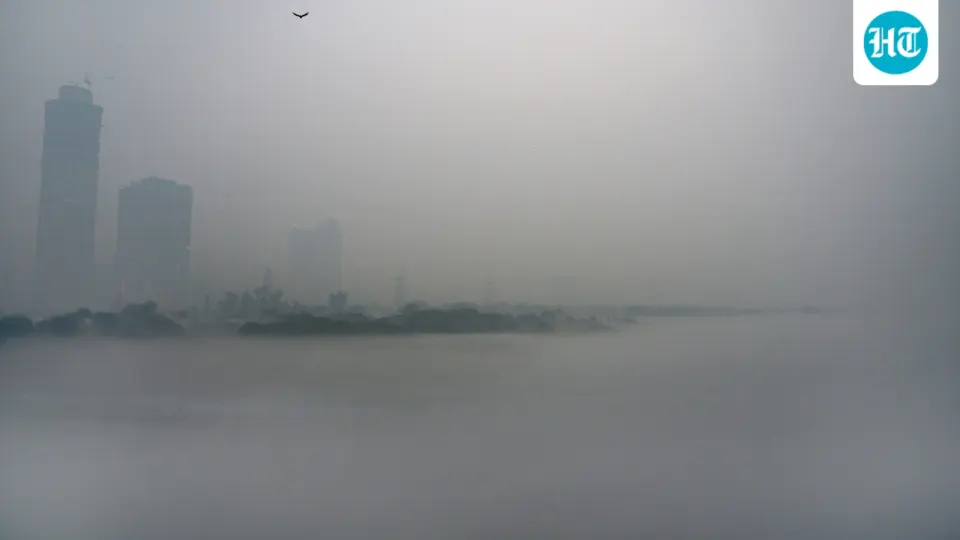
Every winter, Delhi finds itself discussing the same problem which is rising pollution, thick smog, school closures and restrictions on outdoor activities. However, what often gets lost in this seasonal debate is the fact that air pollution is not merely an environmental issue or a temporary inconvenience. It is a serious public health concern that continues to affect our lungs and overall health throughout the year.
The situation in Delhi remains worrying. On November 9, 2026, following Diwali, the city's Air Quality Index (AQI) raised significantly and placing it in the 'Very Poor' category. Several monitoring stations recorded even worse readings. While such sudden spikes attract attention, the larger concern is our prolonged exposure to polluted air, particularly fine particulate matter known as PM2.5 and toxic gases. These particles are extremely small and can travel deep into the lungs, with some entering the bloodstream. Unlike larger dust particles, which may get trapped in the nose or upper respiratory tract, PM2.5 can reach the deepest parts of the lungs and trigger inflammation. Repeated exposure can gradually affect lung function and increase the risk of respiratory and cardiovascular diseases.
The damage is not limited to people who already have breathing problems. We often assume that pollution mainly affects asthma patients or those with chronic lung diseases. However, even otherwise healthy individuals can experience persistent coughing, throat irritation, breathlessness, wheezing and reduced exercise capacity. Over time, exposure can increase the risk of developing chronic obstructive pulmonary disease (COPD), worsen asthma and contribute to lung cancer and heart disease. Also, people frequently have throat irritation, burning of eye along increase incidence of lung infections and pneumonias
Children and older adults are particularly vulnerable. Children's lungs are still developing, and they breathe faster than adults, which means they may inhale more pollutants relative to their body weight. Regular exposure can affect lung development and increase the likelihood of respiratory problems. Older people, especially those with existing heart or lung conditions, may experience a worsening of their symptoms and require medical attention.
The scale of the problem is reflected in national and international data. According to the State of Global Air 2025 report, air pollution was associated with more than two million deaths in India in 2023. Another important concern is that pollution does not disappear when winter ends. Vehicular emissions, road dust, construction activities, industrial emissions, waste burning and household pollution contribute to poor air quality throughout the year. During winter, low temperatures, slower wind speeds and atmospheric conditions trap pollutants closer to the ground, making the situation considerably worse. Seasonal crop-residue burning in neighbouring states can add to this burden.
We must, therefore, stop treating air pollution as a problem that requires attention only between October and January. It needs consistent monitoring and action throughout the year. Better public transport, stricter vehicle emission checks, effective dust control at construction sites, scientific waste management and cleaner industrial practices must become routine rather than emergency interventions.
At an individual level, people can also take a few precautions. On days when pollution levels are high, avoid outdoor exercise, particularly near busy roads. If stepping outside is unavoidable, a well-fitted N95 mask can help reduce exposure to fine particles. Keep indoor spaces as clean as possible, avoid smoking and burning incense or other materials indoors, and consider using an air purifier where feasible. However, we must understand that these measures offer only partial protection and cannot replace cleaner outdoor air.
People with asthma or COPD should continue their prescribed medication and avoid stopping inhalers without medical advice. Persistent coughing, wheezing, chest tightness or breathlessness should not be dismissed as a normal seasonal problem. Those experiencing such symptoms should consult a doctor. People with existing respiratory conditions should also discuss their treatment plans and precautions before pollution levels rise.
Perhaps the most important shift we need is to recognise clean air as a basic requirement for good health, not a seasonal privilege. Hospitals can treat the illnesses caused or aggravated by pollution, but medical treatment alone cannot solve a problem whose source lies in the air we breathe every day.
Delhi needs a coordinated, year-round approach involving government agencies, industries, health care professionals and citizens. Every improvement matters, but the real measure of success should not be how quickly the AQI falls after an emergency restriction. It should be whether people can breathe safely in Delhi throughout the year.
Clean air is not a luxury. It is essential for healthy lungs, healthy children and a healthier future.
(The views expressed are personal)
This article is authored by Dr Vikas Maurya, senior director & HOD, Respiratory Medicine and Respiratory Critical Care, Fortis Hospital, New Delhi.







Comments 0
No comments yet. Be the first to share your view in the app.
Join the discussion: comments and votes are in the free Beloud app.